 Chocolate Chocolate
The saga
From Aztec ruler Montezuma to Casanova, many playboys in history have touted chocolate’s ability to provide energy for their nightly escapades, but science begs to differ.
The Science
Eminent psychiarist Dr Michael Liebowitz, discovered that chocolate contained phenylethylamine (PEA ), an amino acid that is also secreted by the body when we are in love; but said that the PEA did not go up if you ate plenty of chocolate! Adam Drewnowski, nutritional science expert, added that chocolates also contain brain chemicals like serotonin and dopamine, major mood boosters. However, chocolate’s ‘feel good’ chemicals are not enough to cause sexual excitement, states Dr T K Kamaraj, a sexologist. Chocolate can do more harm than good. It can increase the ‘pitta’ component in the body, says Kothari.
Clinical psychiatrist Dr Jitendra Nagpal warns, “Without any mass medical trials, it is wrong to encourage these claims as this can actually encourage young people to abuse substances, without realising their impact on the rest of the body.” So do not overdose on chocolates, but no harm in sharing a bite of these anti-oxidant rich pleasure bars—especially the dark variety—with your partner, to bust stress and feel happy together.
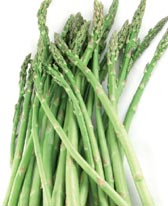 Asparagus Asparagus
The saga
Folklore says boiling and eating this light-green, slender stalk three days in a row will stir ‘bodily lust’ in both men and women. Asparagus has long been considered a desire enhancer, even though mainstream medicine does not agree.
The Science
Rich in potassium, phosphorus, calcium, and Vitamin E, it is the vegetable’s phallic shape that has made it an erotic symbol. Ayurveda has it that asparagus has the ability to lower the ‘pitta’ (excess heat), in the body, thus calming the man and increasing his potency, says Kothari. This actually follows from the basic principle of Ayurveda that sexual potency is inseparable from the whole body. What is good for the whole body is good for sexual health too. So eat on!
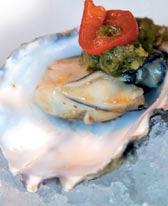 Oysters Oysters
The saga
This shell fish has been on the list of libido lifters since times immemorial. Second century Roman satirist Juvenal has been documented as attributing women’s ‘wanton ways’ to drinking wine and eating giant oysters. Casanova reportedly had dozens every morning before setting out on his amorous quests. “Every culture has attributed the power of sexual stimulants to foods that resemble male or female genitals, but it has been proved beyond doubt that there is no such food/drug available on earth today which is ‘directly’ sexually stimulating!” asserts Kothari. Oysters have made it to this list because of their sexual signature, he adds. They resemble female sex organs, and their appealing texture or ‘mouth feel’ does the trick.
The Science
Research unveiled at the American Chemical Society’s meeting in 2005, pointed out that these bivalve molluscs are actually rich in zinc, essential for testosterone production, and hence can boost sexual performance in men and women. However, think twice before biting into raw oysters. Experts from the Universities of Georgia and California say that oysters are filterfeeders that can accumulate toxins and bacteria that are present in the water body. The aphrodisiacal quality of a food depends on how it is consumed, says food maestro Jiggs Kalra, co-author of the book Kama Bhog. His tip: shuck the oysters in champagne and enjoy them!
Bananas
The saga
Such is its resemblance to an erect male organ that many of us would hesitate eating this Vitamin B and potassium-rich fruit in public. Bananas have had a reputation of being an aphrodisiac historically. Said to be the real forbidden fruit of the Garden of Eden, instead of the apple, in some religions, banana has long been used as an offering to fertility gods in India. In Central America, the sap of the red banana tree is sipped as an aphrodisiac elixir, apparently.
The Science
Bananas are very nutritious and overall rich in vitamins. They contain chemicals that reportedly have a ‘mood-lifting effect on the brain and raise self-confidence’. Ayurveda too, speaks highly of the banana, says Kothari. Instead of apples, it should be ‘a banana a day can keep the doctor away’. Though it does not have any direct sexually stimulating effect on the human body, it does promote good health. “And sexual potency is inseparable from the vitality of the whole body,” Kothari adds. Think about it: feeding your partner, bananas dipped in hot fudge may just transform your sex life!
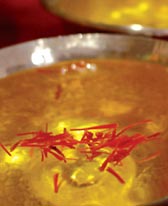 Saffron Saffron
The saga
Expensive and mysterious, saffron has long been used as an aphrodisiac by people of the Middle East and southern Europe. The author of Secrets of Saffron: The Vagabond Life of the World’s Most Seductive Spice, Pat Willard, writes that saffron is known to have perfumed the halls of Crete’s palaces and made Cleopatra more alluring.
The Science
Nothing more than the dried stamens of the autumn flowering purple crocus, saffron has been tested to be useful in treating depression and mood-related disorders. But there’s no conclusive proof that it is an aphrodisiac, yet. “Saffron on its own lends nothing more than fragrance and colour to our foods,” says Kothari.
Quoting Bapa Lal Vaid, an authority on Ayurveda, he adds: “Foods such as the testosterone-rich black gram or urad dal, and soya beans, a rich source of estrogen, may do more, especially for people above 35 or 40, and women nearing menopause.” Good food, privacy, a gentle partner and a great setting is all that you need to get into the mood, says Kamaraj. So where’s the harm in adding fragrant saffron to your dinner to create the right mood? It is bound to add spice to your night! |





 Technorati!
 Digg it
 Newsvine
  Del.icio.us!















 Send at least one random news story or funny YouTube clip to your partner daily. It gives you something to talk about when you see each other.